
We’re addicted to getting richer, and based on conventional wisdom, it’s understandable why. The thinking is that richer societies are happier societies. For nearly a century now, the economy has been chasing one goal: economic growth. Growth means more wealth. More wealth means more happiness.
A growing body of economists, environmentalists, and policy thinkers are questioning that assumption. They call for a radical economic shift to a degrowth economy. This requires abandoning the goal of ever-expanding production and consumption and embracing the goal of meeting human needs within environmental limits.
Such a shift would require a radical social transformation, but degrowth advocates argue we have no choice; here’s why.
The case for change
1. A treadmill of expectation
Time and time again, economic growth has raised living standards. Once a country begins industrialising, it increases productivity, stimulating economic growth and leading to higher incomes, better jobs and better public services.
Higher incomes reduce poverty and increase people’s capacity to meet needs and buy more consumable goods.
Growth, then, creates a rising tide that raises all boats.
But it’s assumed to do way more than that.
The greater a person’s capacity to consume, the happier they’ll be; therefore, rising Gross Domestic Product — the yardstick used to measure whether an economy has grown — leads to ever-increasing living standards and greater social happiness and well-being.
The thing is, while it’s undeniable that growth improves living standards materially, research suggests that beyond meeting basic needs for food, water, and shelter, increases in wealth don’t improve people’s well-being and happiness.
This is because when the tide rises, everyone’s income increases, and so you don’t feel any better off than you did before because, in materialistic societies, the barometer of social success is determined by how much you earn and how much you own compared to others.
Take Japan — between 1958 and 1987, income in Japan multiplied fivefold. During this period, Japan went from being a poor developing nation to the world’s second-richest country by GDP. In 1958, white goods like electric washing machines, refrigerators and television sets were a rare luxury; by the 1980s, nearly every household owned one. Car ownership went from 1 to 60 per cent of households.
Incomes rose dramatically, yet the average level of satisfaction remained unchanged.
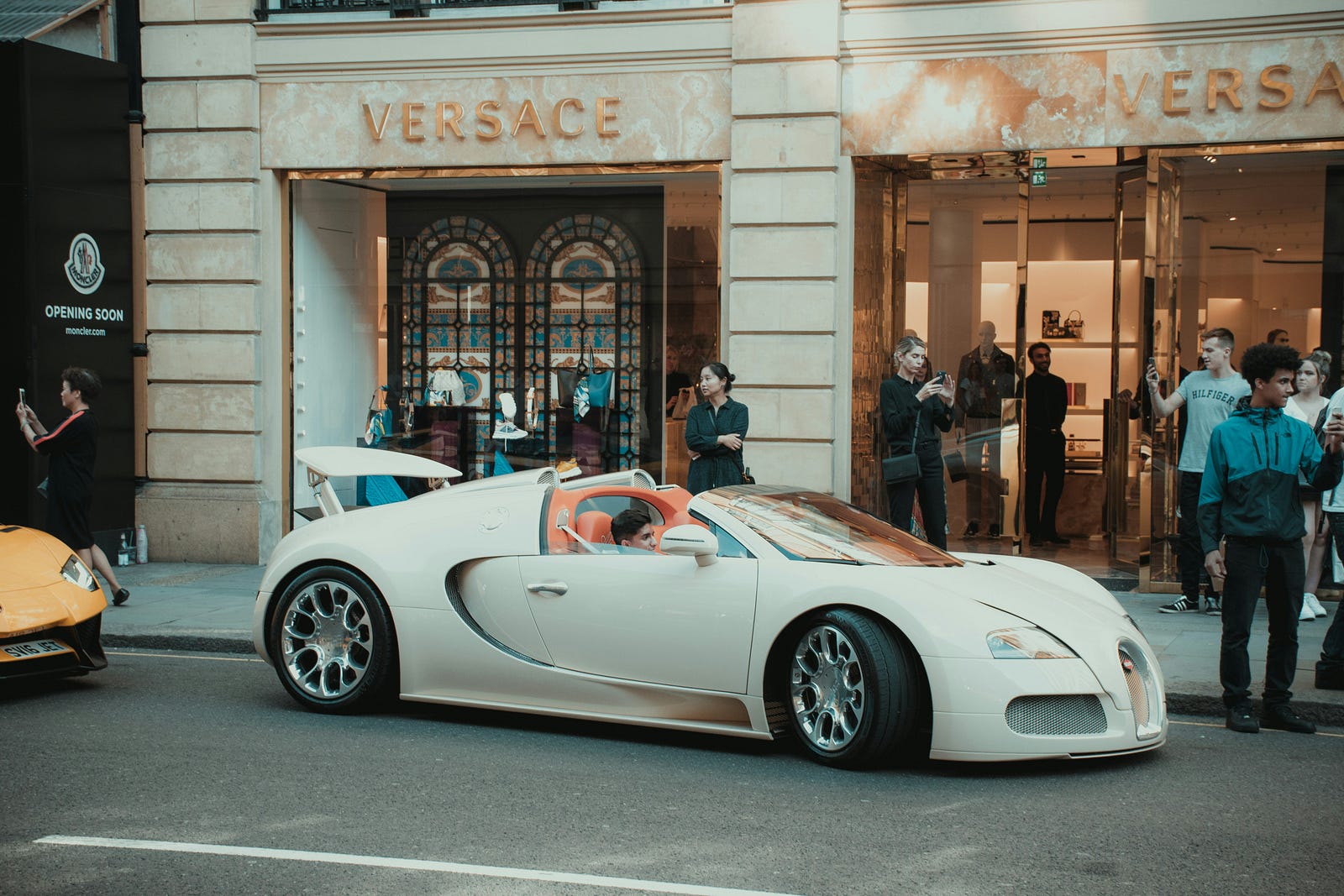
The story is much the same across the board: higher materialism leads to less happiness.
An exploration of the science of human well-being suggests that rather than the pursuit of wealth, traits, relationships, and faith/active spirituality drive life satisfaction.
But we can’t give up materialism because consumption serves growth, meaning our values as a society are designed to achieve that goal.
The result is that we’ve become strapped into a never-ending treadmill of material expectation.
There is pressure to work harder, to earn more, to be more productive, to have the latest accessories, to travel more. It seeps into our very identities and defines how we view others and ourselves.
The expectation and pressure to keep up with the material rat pack enslaves us. And it explains why rich nations often report higher rates of diagnosed mental health problems, such as anxiety and depression, compared to poorer nations.
Materialism is making us miserable. And yet, we’re told salvation lies in buying yet more stuff.
2. Devastating environmental impacts
Socially, growth leads to some pretty undesired outcomes; but it doesn’t make a compelling case for why transformative change is needed. It’s the environmental impacts of never-ending growth that are problematic.
The problem with a growth economy is that the material world is finite; when you combine that fact with the laws governing energy, the inescapable conclusion is that never-ending growth on a finite planet can’t be sustained.
This rather large elephant reared its head with the publication of The Limits to Growth in 1972. The book argued that if population, resource use, and pollution kept increasing on our finite planet, eventually, economies would face environmental limits to growth, precipitating collapse sometime in the twenty-first century.
Another issue is that the higher the standard of living, the more resource and energy-intensive it is to maintain. This means that as more people consume more stuff, our collective ‘ecological footprint’ increases. This is the rate at which we consume resources and generate waste compared to how quickly nature can absorb waste and replenish resources.

The Global Footprint Network uses the ecological footprint to measure how quickly humanity consumes resources compared to how quickly nature can replenish them. Since 1971, we’ve been in a state of ecological overshoot — meaning our ecological footprint is greater than what one planet Earth can sustain.
Today, we’d need 1.75 Earths to maintain our current lifestyles.
Overshoot is why the climate is changing; essentially, an ecosystem service is being consumed at a rate unsustainable by the surrounding ecosystem — Earth.
A degrowth economy
To add another layer to an already enormous challenge, living standards are wildly unequal. Nearly 50% of all people live on less than $5.50 a day, or $167 a month. That’s why the poorest 20% of people consume barely 1 per cent of global consumption, while the richest 20% consume 80 per cent of consumption.
Developing nations need to stimulate economic growth to end poverty. But if they do, it will accelerate overshoot.
The need to reduce overshoot while ending poverty for billions of people by stimulating growth forms the foundation of the argument degrowth advocates make, but it remains an unpopular position among economists.
Most favour ‘green growth’, where technological progress and structural change will enable a decoupling of resource consumption and environmental impacts from economic growth. It’s a far more appetising argument because it argues growth can be sustained.
The concept is flawed, though, because no matter how efficient the economy becomes, output, and therefore resource and energy needs, will inevitably increase, which just accelerates overshoot. That’s why global emissions continue to rise every year.
Creating a sustainable society involves developed nations initiating a process of planned contraction in which resource and energy demands decline significantly. Developing nations can then use some of those resources and energy to meet their people’s needs.
Degrowth then is a blueprint for a society where the needs of all are met within the Earth’s limits.
Achieving such a society requires nothing short of a total redesign of society.
Rethinking social success
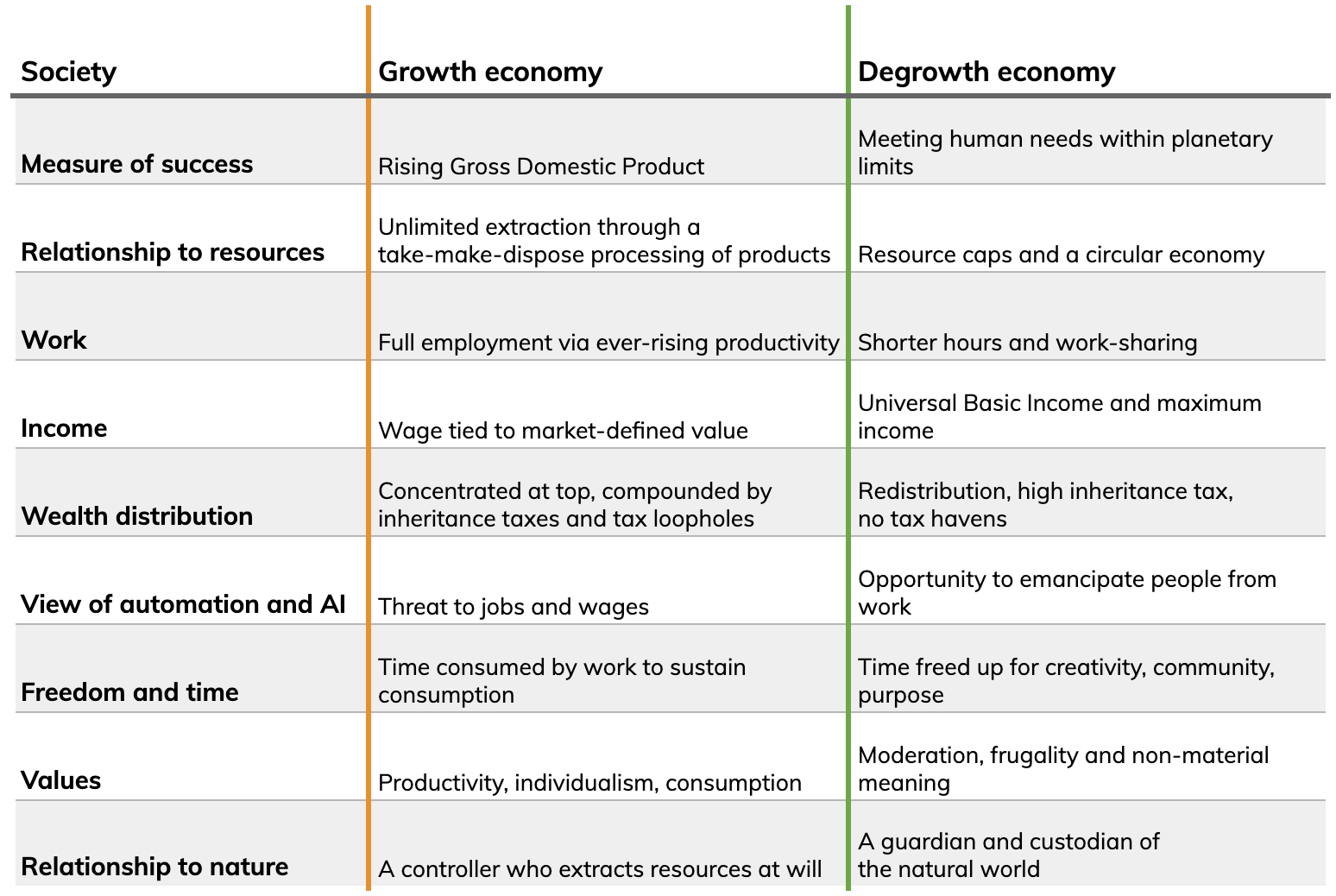
Intentionally degrowing an economy would involve reimagining social success. It would involve rejecting consumption, rejecting the pursuit of wealth as an end in itself, rejecting the obsession with productivity, rejecting the fear of failure that inhibits our creativity, rejecting a system that only nurtures creativity when it can be monetised, rejecting rampant individualism and the egomania it creates, and rejecting the view that we ‘control’ the natural world and it exists for our benefit.

It would involve embracing non-materialistic sources of meaning and satisfaction, embracing new conceptions of human flourishing based on sufficiency, moderation and frugality, embracing and nurturing the creative brilliance of each individual and embracing a symbiotic relationship with the natural world while acting as a guardian and custodian of it.
Introducing resource caps
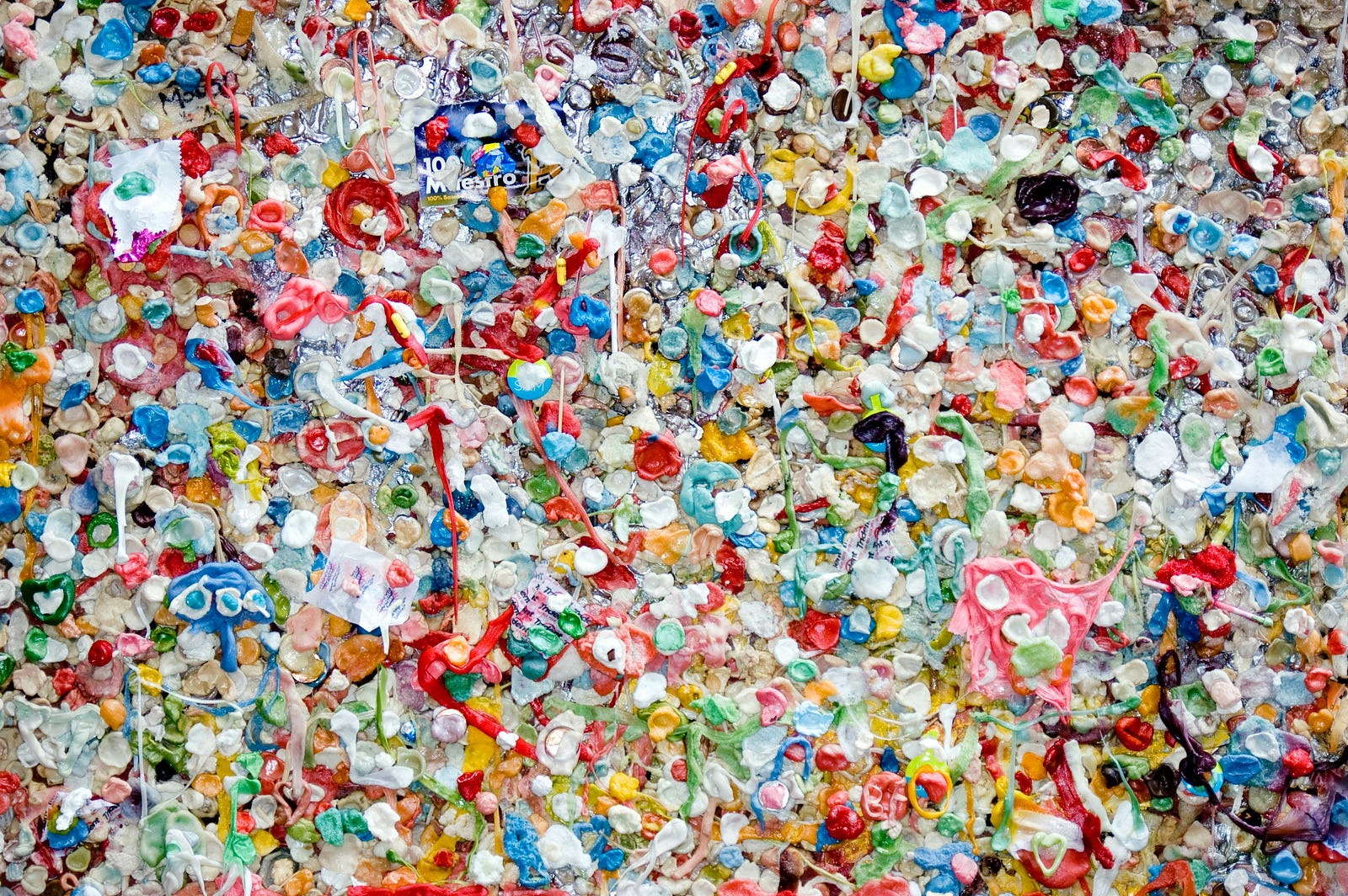
Currently, we produce products through a linear take-make-use-dispose process that produces enormous amounts of waste.
An estimated 92 million tonnes of textile waste are created each year; just 12 per cent are recycled, while a rubbish truck full of clothes is tipped into landfill sites every second.
Introducing diminishing resource caps would restrict the throughput of materials and energy used to manufacture goods and services. Ecological footprints, broken down by types of activity and consumption, can be used to determine the ‘drawing rights’ of each country. Markets in those rights would allow the exchange of quotas and permits for consumption.
Shift to a circular economy
Resource caps would incentivise a shift towards a circular economy. A circular economy involves sharing, leasing, reusing, repairing, refurbishing and recycling existing materials and products for as long as possible.
Considering 80 per cent of a product’s environmental impact is determined during the design phase, shifting design incentives toward a circular economy would have profound implications for how products are manufactured and used.
There are plenty of examples of companies designing products with circularity in mind. The Swiss company Rohner developed Climatex Lifecycle, an upholstery fabric that is naturally biodegradable at the end of its life cycle. BMW has set a target for all new cars to be made from reusable or recycled parts by 2030. Nokia have recently launched a DIY smartphone designed to be repaired at home.
Profound shift in work culture
Our relationship with money as an end in itself, rather than a means to an end, has given rise to what the anthropologist David Graeber describes as bullshit jobs.
In Bullshit Jobs, he argues that over half of the work in society is pointless and becomes psychologically destructive when paired with a work ethic that equates self-worth with work.
The essence of bullshit jobs is that if the position no longer existed, it would make no difference in the world. If anything, society would be better off because bullshit jobs tend to reward activities that have destructive social impacts.
In A Bit Rich, the New Economics Foundation assessed how much people earn relative to the wider social contribution that work creates. In the City of London, bankers earn million-pound bonuses. Yet, for every pound they generate, they destroy £7 in social value.
Childcare, meanwhile, is fundamental to the broader functioning of society. For every £1 they earn, childcare workers create between £7 and £9.50 in social value.
The dynamic is a product of a reward mechanism that values roles that generate wealth. Bankers fit that category. Essential workers, like nurses, are undervalued and underpaid because, while they are integral to the functioning of society, they’re not wealth generators.
In a degrowth economy, fewer people would be needed to produce at declining output levels; this would lead to reduced working hours and increased leisure time.
Technology, in the form of AI, is already increasingly replacing people in the workforce. Currently, it’s viewed as a threat because it competes against people for work.
If our relationship with work changes, then AI can free people from menial roles that offer limited fulfilment, and support a further reduction in working hours.
The challenge then boils down to how wealth is distributed.
Better mechanisms to distribute wealth
The solution can be found in the form of a Universal Basic Income (UBI). A UBI guarantees each adult citizen a no-strings-attached monthly payment from the government.
And it’s not like a UBI is some far-out utopian idea. In 2017, Finland conducted a two-year trial paying 2,000 unemployed adults €560 ($635) a month.
After two years, assessments showed no meaningful difference in job-finding rates between those receiving the payments and other unemployed workers. Those getting a UBI did report being happier, though.
Advocates for a degrowth economy argue there should also be a maximum income, placing an upper limit on how much an individual can earn. A maximum income could be achieved through a tax system in which the tax rate increases progressively with higher incomes, culminating in a 100 per cent tax rate on income above the maximum threshold. The tax collected from income exceeding the maximum income could fund the UBI.
A UBI has the potential to transform our relationship with work. That’s not to say work will be done away with altogether. Work is essential in binding communities and provides people purpose.
The difference is that a UBI would provide the security to pursue avenues of creativity, free from the financial necessity of working in jobs that offer little inspiration or self-worth, while creating a mechanism to end poverty once and for all.
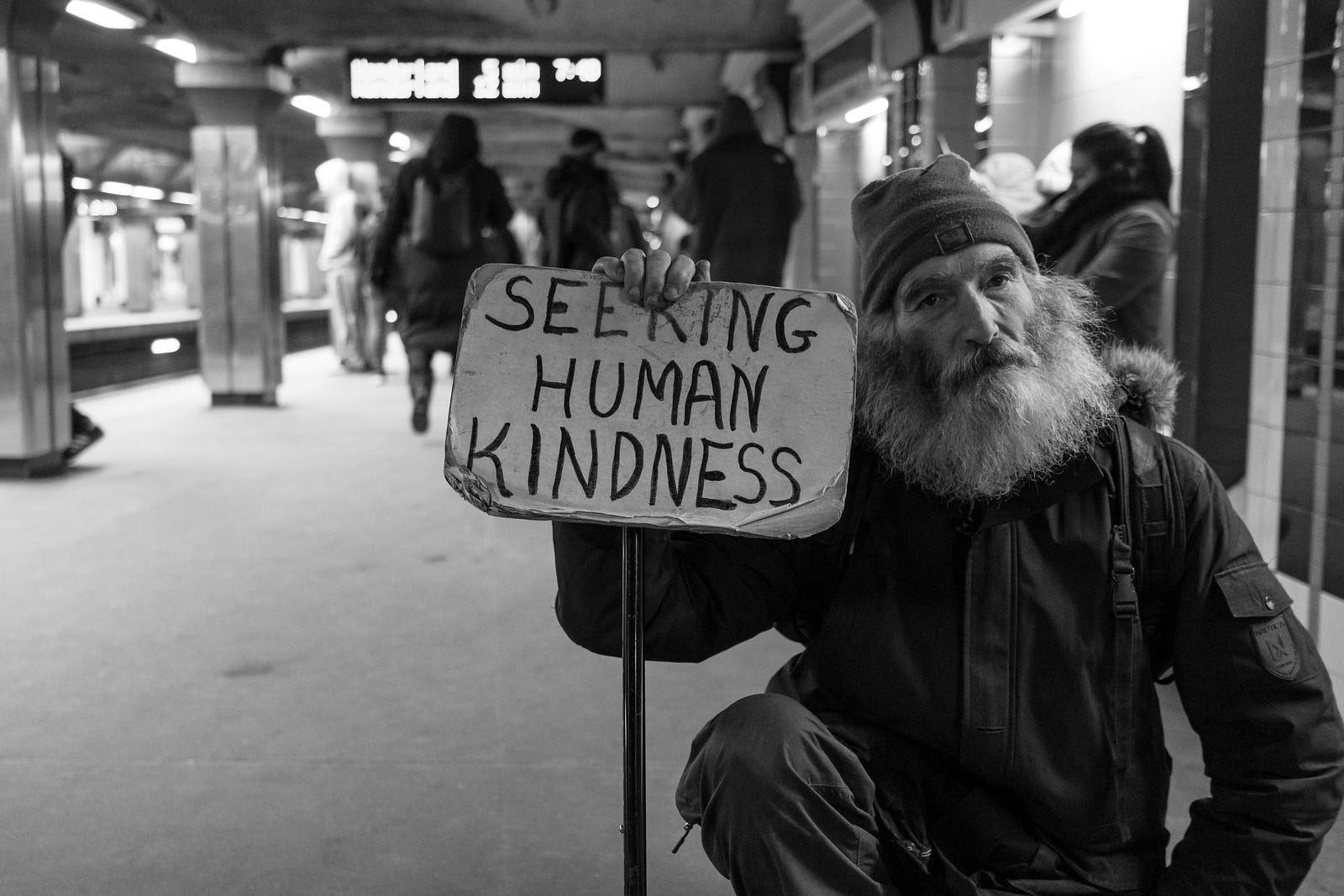
We already produce enough to go around, so redistribution can help to alleviate poverty while reducing the need to increase overall global output. The idea is that a degrowth economy would eliminate poverty and achieve distributive equity not by baking an ever-larger economic pie but by slicing it differently.
Policies that would help distribute wealth alongside a UBI and maximum income include illegalising tax havens, capping individual wealth, and imposing inheritance taxes of 90 per cent or more to ensure inheritance laws do not entrench a class system and poverty.
A moment in time
It’s pretty obvious any radical policies that sought to distribute wealth would be deeply unpopular with the rich and powerful. They would, you suspect, do anything in their power, including resorting to violence, to ensure the status quo is maintained.
Even though maintaining the status quo is to the detriment of all, ultimately, extreme levels of inequality are justified, arguably celebrated, because they are intensely self-serving, greedy and selfish and enjoy the lavish lifestyles and status that wealth and power provide.
A degrowth economy offers a glimpse into a future unrecognisable from the one we live in. A future which prioritises the wellbeing and happiness of people by designing an economy and society that are underpinned by those goals. Growth cannot continue indefinitely on a finite planet; overshoot guarantees it will eventually grind to a halt. What’s so tantalising is that we still have a choice in how that happens. A degrowth economy is a blueprint for what could come next. Not by accident, but by design.