

Why the silent vanishing of vultures is a sign humanity has pushed nature to the edge of collapse
Vultures, so often characterised as sinister omens of death, are nature’s most efficient sanitation crew. They can strip a carcass to the bone in hours, preventing disease and keeping ecosystems stable. They even act as climate allies, stopping millions of tonnes of carbon from being released into the atmosphere. Yet these guardians of life are vanishing in silence — and their loss is a red alert that Earth itself is on the brink of collapse.
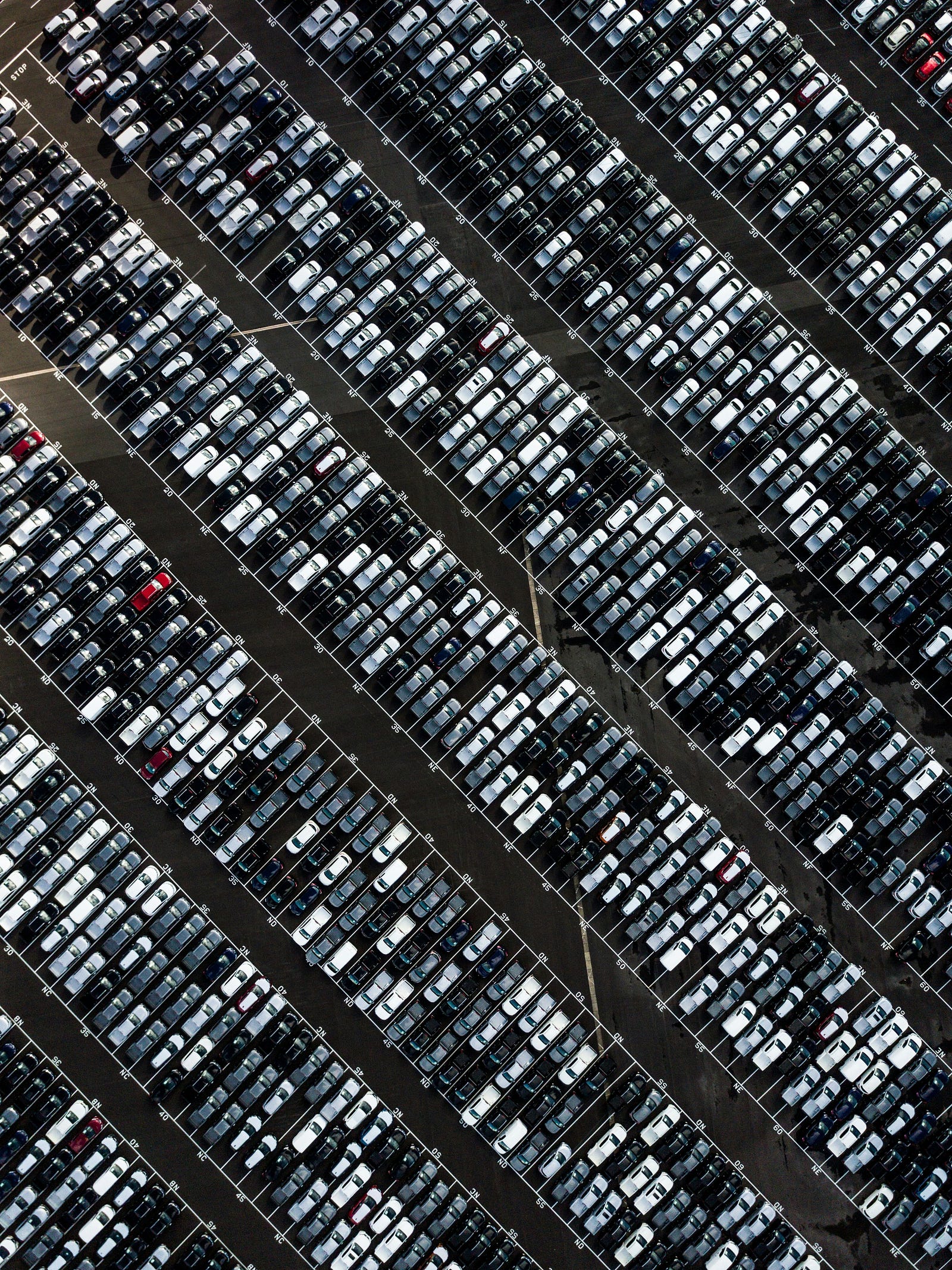
Bacteria play a similar function to vultures in nature; they can also break down bodies, but they do so very slowly. The problem is that rotting corpses release carbon dioxide (CO2). The longer a corpse takes to rot, the more CO2 is released into the atmosphere. By consuming flesh directly, vultures short-circuit that carbon release. Scientists estimate that their scavenging prevents CO2 emissions of up to 60 million tonnes — the equivalent of around 12 million cars.
They are a critical — and overlooked — part of Earth’s natural carbon balance. But this unseen climate service is disappearing.
Vultures are being wiped out due to habitat destruction, poisoning (often deliberately so by poachers), and Veterinary drugs like diclofenac, which devastated vulture populations in India. As a result, 16 of the world’s 23 vulture species are now considered near threatened, vulnerable to extinction, endangered, or critically endangered.
The silent loss of vultures is not just a tragedy for a group of birds. It’s a danger signal for the stability of the entire planet.
An overlooked crisis
The climate crisis dominates headlines. Yet catastrophic biodiversity loss — the ongoing collapse of species — is just as dangerous and is a co-driver of planetary destabilisation.
Vultures are a case study in how biodiversity loss feeds into climate chaos. Their decline shows how the extinction of one species can trigger a devastating chain reaction: more rotting carcasses lead to more CO2, more disease, more instability.
Ecosystems are a delicate balance of different animals and plants that coexist and depend on one another. This balance of relationships has formed over thousands of years. Ripping a species out of the delicate ecosystem equation blows the equation to pieces.
Unfortunately, vultures are the tip of the iceberg.
Nature documentaries create an impression that wild animals are abundant. But human interference with ecosystems has led to catastrophic declines in the populations of species.
The population of African lions, estimated to be as high as 200,000 just 100 years ago, now numbers around 23,000.
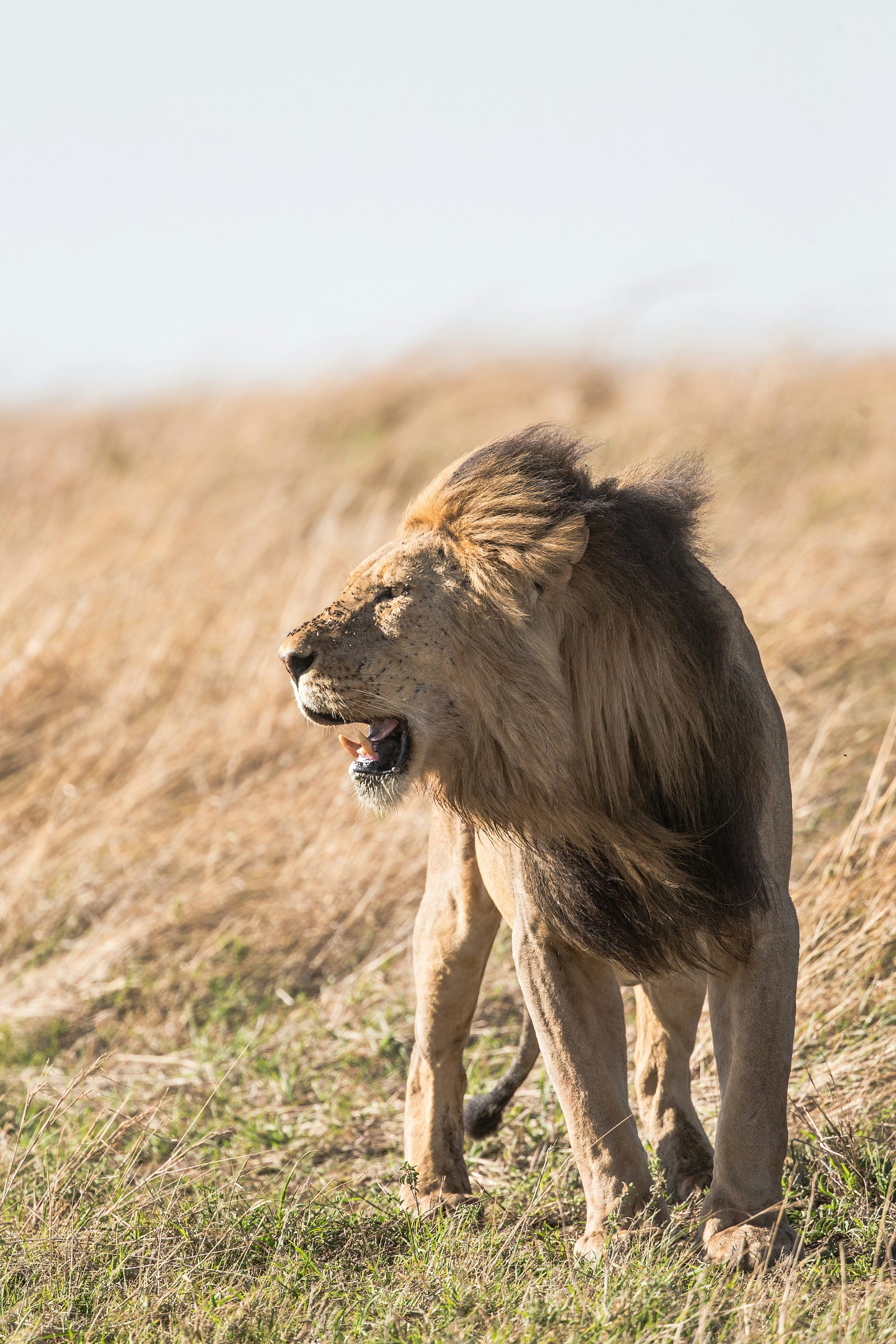
Since the beginning of the twentieth century, the population of wild tigers has plummeted by 95%, 4,500 remain in the wild. Things aren’t much better in the ocean, which is estimated to have lost more than 90% of large predatory fish. 21% of all reptiles are threatened with extinction.
Overall, one million species face extinction in the near future out of an estimated seven to ten million on Earth. On top of that, nearly half of all plants are endangered.
What this all means is that human activity has triggered the sixth mass extinction event — think the dinosaurs, only this time we’re the asteroid.
Unlike the asteroid and all other mass extinction events, this collapse is happening in mere centuries, not the standard timeframe of millions of years.
A system at breaking point
But what’s the big deal? So what if a lizard, an insect, or an obscure bird vanishes?
This is the problem with the scale of changes we’re triggering. ‘Small’ changes can have giant consequences.
The disappearance of vultures in India is a chilling example. With fewer vultures to clean carcasses, feral dog populations exploded. That, in turn, caused rabies outbreaks that led to 500,000 human deaths.
The same logic applies everywhere. Apex predators like lions and tigers regulate herbivore populations. Without them, ecosystems skew, vegetation collapses, and cascading changes unfold. In the ocean, the removal of predatory fish destabilises entire marine food webs.
This is where the scale of our actions becomes terrifying. Cut a few threads of the interconnected web of life, and the net may hold. Cut enough, and it tears apart.
The thing is, ‘cut’ is putting it mildly — we’re severing the threads with a chainsaw.
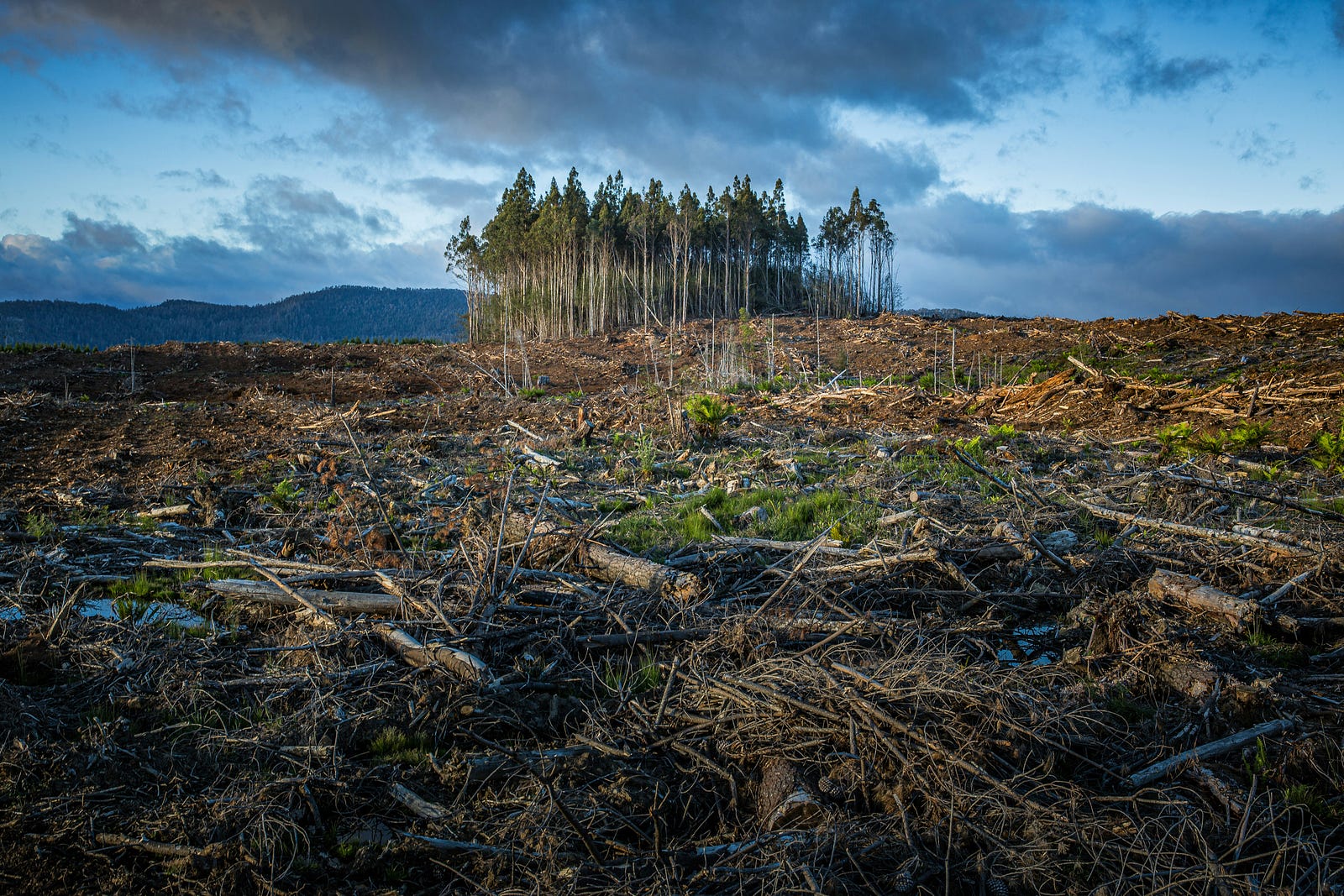
In 1997, a team of scientists calculated the monetary value of all the goods and services provided by ecosystems. They came up with an estimated value of $33 trillion, nearly twice the size of the global economy at that time.
If ecosystems begin breaking down, the precious, life-giving services they provide may well break down with it. This isn’t just a tragedy that we’re losing animals — we’re dismantling the systems that make Earth habitable.
The real meaning of vulture extinction
If the alarm bells weren’t loud enough already, losing vultures shows the system is fraying at its seams. The stabilising loops — fast carcass removal, disease prevention, carbon mitigation — are unravelling.
We’ve developed a siloed mindset: solve climate change, and we’ll solve the crisis. It’s understandable why. Decarbonising appears to be a technical challenge (albeit an enormous one), and it feels like we’re taking the appropriate steps to deal with it.
But the planetary emergency is much bigger than carbon. Climate breakdown and biodiversity collapse are inseparable. They feed each other in dangerous loops. The extinction of vultures shows exactly how.
This is why their loss matters so profoundly. Vultures aren’t just birds. They are guardians of ecosystem health, preventers of disease, and unrecognised climate allies. Their extinction is not just an isolated tragedy. It’s a flashing red alert that Earth’s life-support systems are beginning to fail.
Saving vultures won’t, on its own, halt the mass extinction we’ve triggered. But it would symbolise a radical shift in our behaviour, attitudes and awareness of our responsibility to the environment. Away from the ego maniac who believes nature exists for our benefit, and towards the humble guardian, who embraces our unique role in the web of life.
The silent vanishing of vultures is a warning humanity cannot afford to ignore. When they disappear, they take with them invisible threads holding ecosystems — and civilisation itself — together. The question is whether we’ll take action while the red alert is still sounding, or wait until the system snaps.

In my interview with Professor Corey Bradshaw we discussed the same type of extinction cascades.
The interview and the central paper are embedded below.
https://kevinhester.live/2020/06/04/professor-corey-bradshaw-explains-the-unfolding-extinction-cascades-on-nature-bats-last/